
US stock futures and Asian markets traded in positive territory on Wednesday, with indices such as Nikkei 225, Hang Seng, Shanghai, Sensex, and Singapore showing gains. Market sentiment appeared to improve despite the imposition of tariffs by the US on Mexico, Canada, and China, which signaled the possibility of a trade war among major economies.
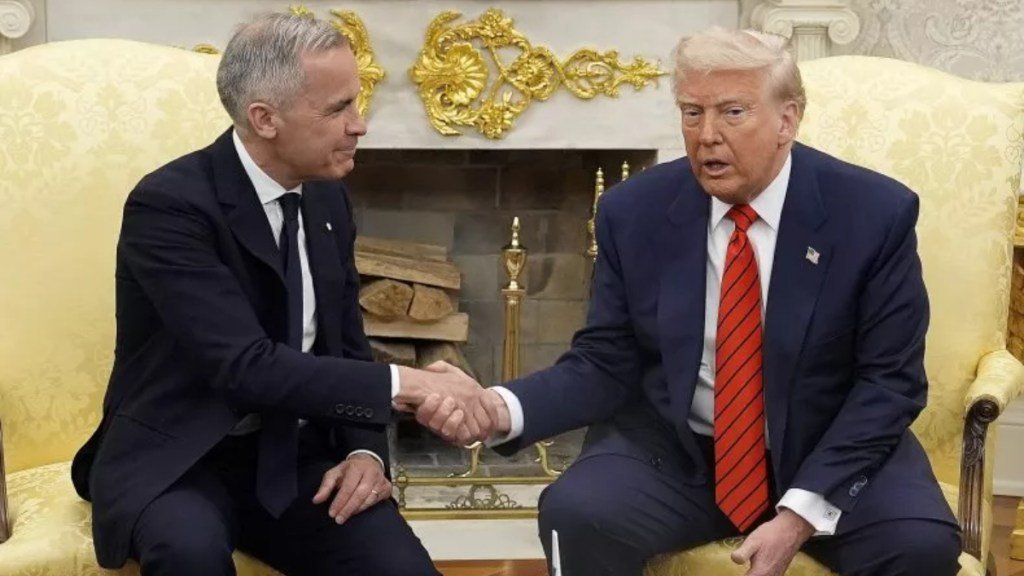
The optimism in the markets stemmed from an announcement by US Commerce Secretary Howard Lutnick, who suggested that a potential compromise on tariffs between the US, Canada, and Mexico could be forthcoming. The prospect of a resolution brought relief to investors who had been concerned about the economic impact of escalating trade tensions.
The newly imposed 25% tariffs on goods from Canada and Mexico, along with a 20% duty on Chinese imports, took effect on Tuesday. These measures prompted retaliatory actions from the affected countries, heightening fears of a global trade war that could slow economic growth. However, traders reacted positively to the possibility of negotiations that could lead to a trade agreement.
In India, equities rebounded sharply, gaining 875 points, or 1.2%, to reach 73,862 on Wednesday. This recovery, led by the tech sector, auto, PSU banks, and metals, reversed losses from the previous three sessions. Profit-taking activity followed the index’s recent drop to its lowest level since mid-May 2024.
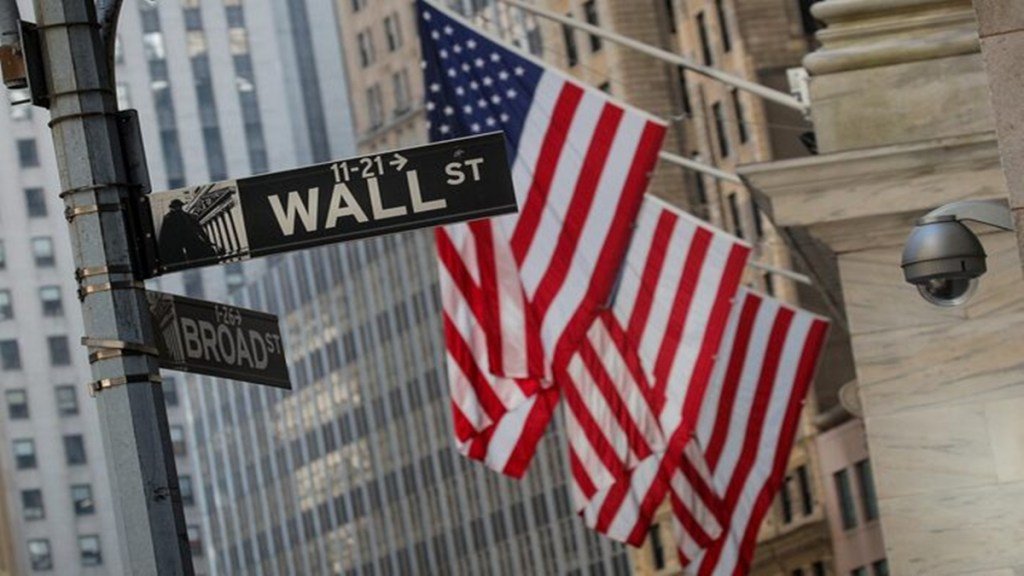
Hong Kong stocks also saw gains after a slight decline the previous day. Although Wall Street’s S&P 500 and Dow Jones experienced losses overnight, a rebound in US futures added to the overall positive sentiment. Investors responded favorably to a copy of China’s work report, which set a 5% GDP growth target for 2025 and outlined economic stimulus measures. The report also indicated a reduction in Beijing’s annual inflation target to below 2% for the first time in over two decades. Traders welcomed private survey data showing an unexpected rebound in services activity, driven by increases in new orders, overseas sales, and job stability.
In Japan, the 10-year government bond yield climbed to 1.43%, reaching a 15-year high after hawkish comments from Bank of Japan Deputy Governor Shinichi Uchida. He warned that further interest rate hikes could be implemented if economic forecasts were met.
The US 10-year Treasury note’s yield held steady at 4.24%, with stability largely attributed to Germany’s decision to revise borrowing rules and establish a new infrastructure fund aimed at boosting European economic growth. However, US Treasury yields remained near multi-month lows due to concerns about the economic impact of new tariffs on Canada, Mexico, and China. The retaliatory measures taken by these countries added to worries about potential repercussions for the US economy.
Gold prices remained around $2,910 per ounce on Wednesday, maintaining recent gains and trading near record highs. The demand for gold as a safe-haven asset was supported by the escalating trade tensions caused by the new US tariffs. The imposition of a 25% tariff on imports from Mexico and Canada, along with the 20% increase in duties on Chinese goods, intensified economic uncertainty. Meanwhile, the US decision to halt military supplies to Ukraine amid discussions on potential sanctions relaxation for Russia further contributed to gold’s appeal as a stability asset. In India, the gold rate stood at Rs 86,090.