
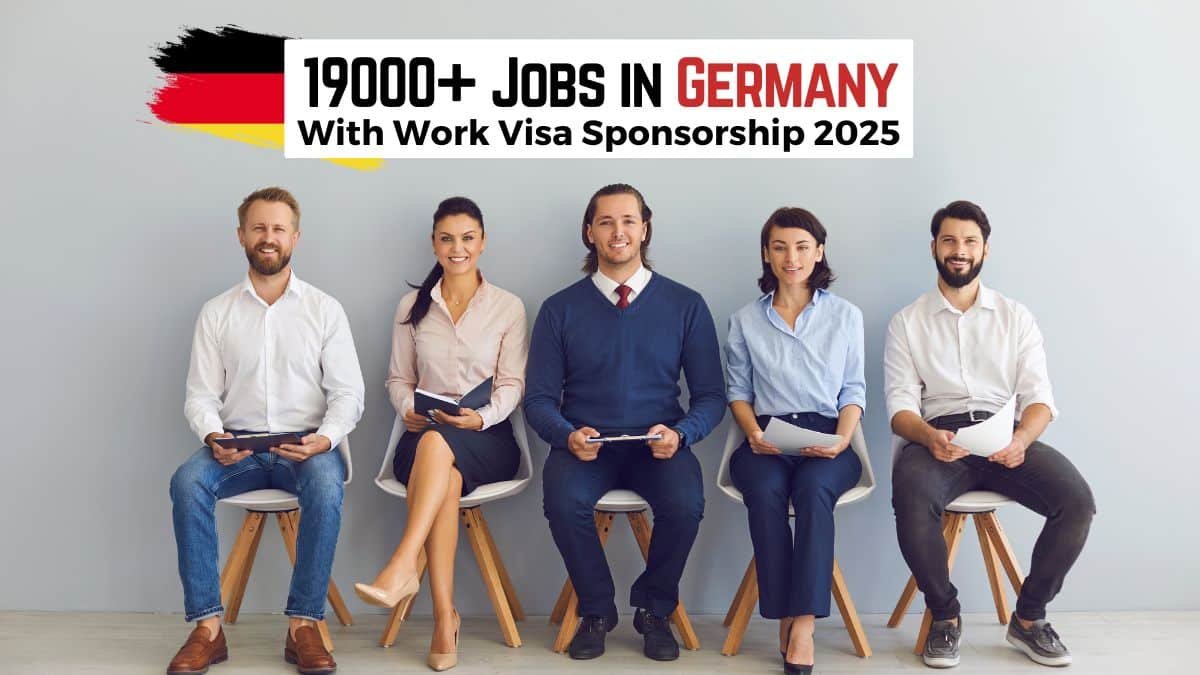
Germany has significantly increased apprenticeship pay for 2025, aiming to attract more young talent into vocational training and address ongoing skill shortages. Apprentices now earn an average of €1,133 per month, marking the highest jump in pay since 1992. In Eastern Germany, wages have risen even more sharply, nearly closing the long-standing regional wage gap.
This push comes as industries face growing labour shortages in sectors like electronics, agriculture, and trades. To make these careers more attractive, companies are offering better salaries, especially in areas where skilled workers are hardest to find. Apprentices in fields that were previously underpaid, such as agriculture, are now seeing some of the biggest increases, with pay growth reaching up to 15 percent.
For international students and early-career professionals, this is a strong signal. Germany is investing heavily in hands-on training and is welcoming global talent into its vocational system. Apprenticeships come with several advantages: they are fully paid, don’t involve student debt, and often lead to annual post-training earnings of over €33,000. There are also clear immigration pathways for those who complete vocational training in Germany and meet skill requirements.
In-demand fields include automation, chemicals, healthcare, engineering, and mechatronics. While chemical technicians and electronics specialists may earn the most, automotive mechatronics remains a favorite choice among apprentices.
Wages are becoming more consistent across different regions and job sectors, and even companies not formally bound by labor contracts are starting to match industry-standard apprentice pay. That makes it a promising time for anyone looking to enter vocational training in Germany—regardless of where they’re from.
For anyone finishing school or looking to gain skills without debt, this could be a great moment to consider learning German and starting a paid apprenticeship in one of Europe’s most respected training systems. Germany is actively building a future workforce, and they’re making it financially worthwhile from day one.