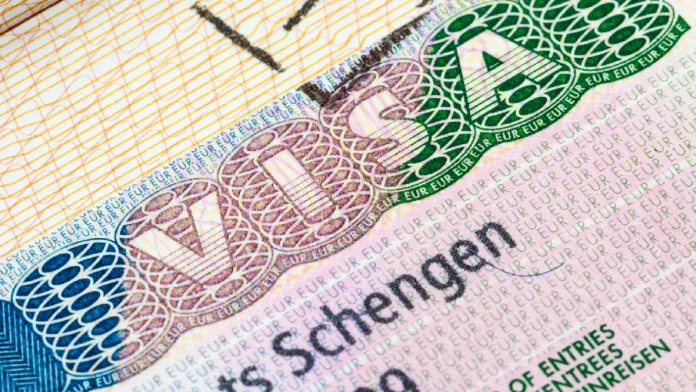

Maria Zakharova, the spokesperson for the Russian Foreign Ministry, will be unable to attend the OSCE Ministerial Council meeting on December 5-6 in Valletta, Malta, after her Schengen visa was revoked by Maltese authorities. This was confirmed in a press release by the Russian Foreign Ministry, though Maltese officials have yet to comment on the decision. Malta had initially granted Zakharova a visa as an exception, but this was later overturned due to objections from several member states, particularly the Baltic countries—Estonia, Latvia, and Lithuania. These countries voiced their concerns, pointing out that Russia had blocked Estonia’s presidency of the OSCE in 2023. While Zakharova will not be attending, Russian Foreign Minister Sergey Lavrov, who is also scheduled to attend, has already arrived in Malta.
In the wake of the ongoing war in Ukraine, European countries have imposed increasingly stringent measures on Russian nationals and political figures. Baltic states, in particular, have been at the forefront, frequently blacklisting or declaring Russian nationals persona non grata.
Recently, Latvia blacklisted ten Russian citizens, including business owners with interests in the country, banning them from entering for supporting the war in Ukraine.
Despite the sanctions and travel bans across most of the Schengen Area, Russian interest in visiting Europe remains high. Data from Continent Express shows a 35% increase in Schengen visa applications from Russian nationals between January and October 2024. To bypass restrictions, many Russians travel to Turkey and then make their way into Europe, as direct flights from Russia to European countries are prohibited.
France, Italy, and Spain remain the most popular destinations, accounting for 17-18% of all bookings from Russian tourists.