
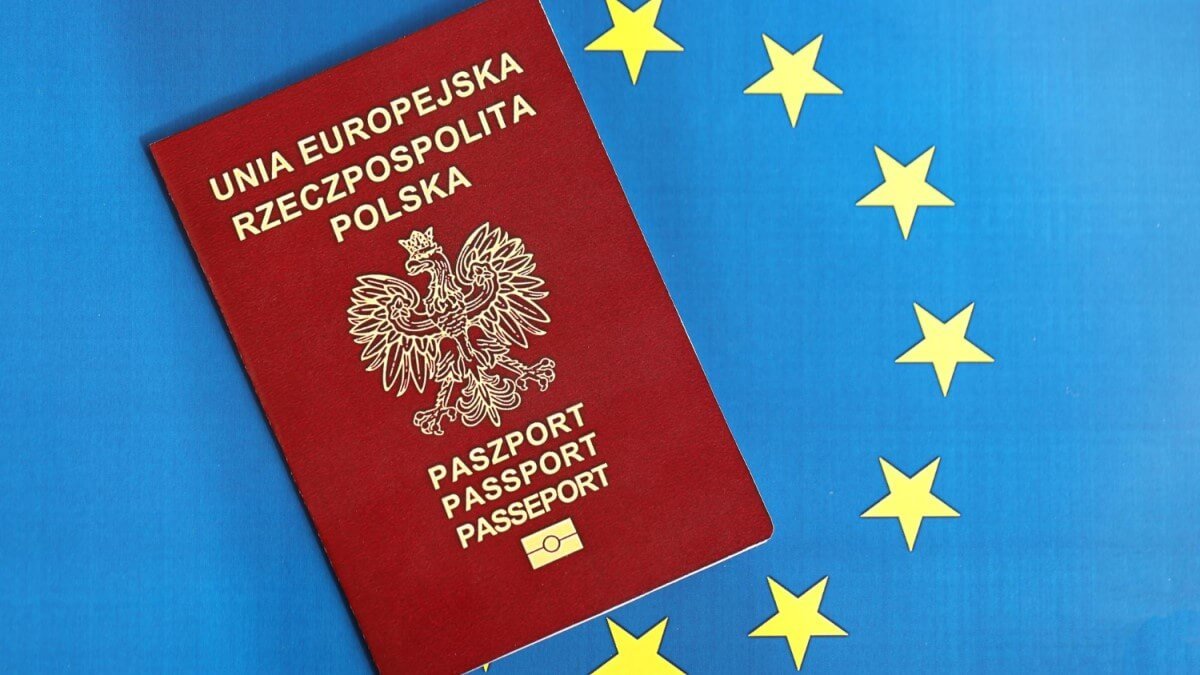
The Polish government is introducing stricter regulations for individuals seeking Polish citizenship as part of its broader migration strategy. According to local reports, new rules may require applicants to demonstrate sufficient language proficiency. This move follows concerns over the misuse of the Polish Card Act, which grants citizenship to those who can prove Polish origin.
Introduced in 2007, the Polish Card Act allowed many individuals who claimed Polish ancestry to acquire citizenship. The law permits applicants to establish Polish heritage through one or both parents, grandparents, or two great-grandparents. However, this has led to instances of abuse, particularly among Belarusians and Ukrainians, with many suspected of using forged documents to qualify for the Polish Card.
Fraud Concerns and Reforms
It is estimated that over 206,000 people currently hold a Polish Card, with the majority of these documents being issued to nationals from Ukraine and Belarus. Critics argue that the law has been misused, especially since some applicants were able to claim Polish origin without providing solid proof, particularly those who had been active in Polish organizations for over three years.
Data from the Centre for Migration Research in June 2022 indicated that fewer than 7,000 out of 162,000 issued cards went to people who did not meet the necessary proof of Polish origin. PiS MEP Michał Dworczyk acknowledged the need for reforms, stating that while the law serves a purpose, certain irregularities must be addressed.
Tightening Citizenship Rules Across the EU
Poland’s move comes as several other EU countries also implement tougher citizenship requirements. In Sweden, Prime Minister Ulf Kristersson and Migration Minister Johan Forssell announced more stringent measures for citizenship applicants. These include restrictions on individuals with criminal histories or those deemed threats to national security. Additionally, Sweden and Finland have increased the required residency period from five to eight years, while language requirements will soon be applied to those born in Sweden. These changes reflect a broader EU trend toward tightening citizenship laws to prevent abuses and ensure better integration of applicants.