
May 29, 2026 — Lisbon
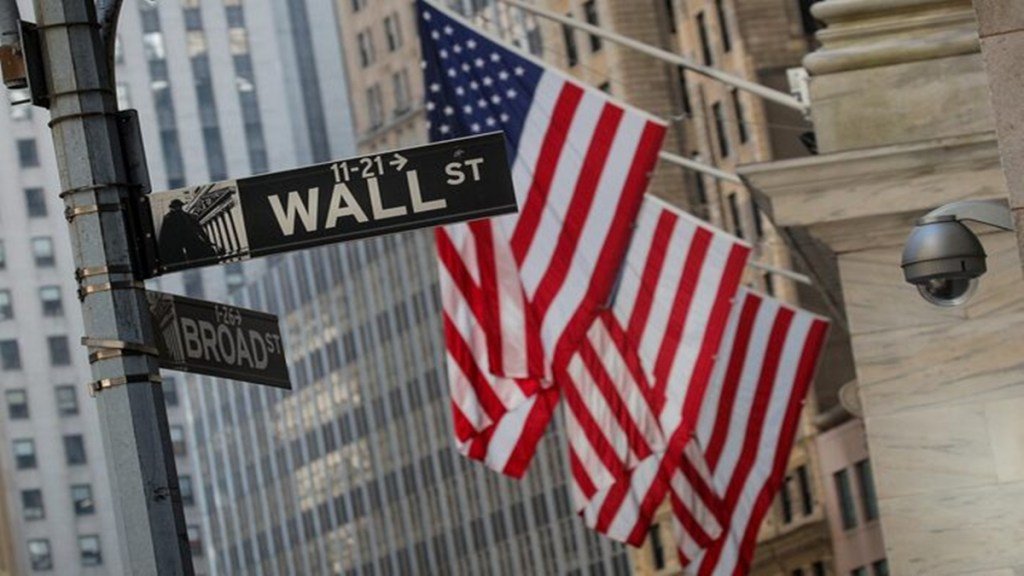
Global financial markets climbed Friday after diplomatic negotiations between the United States and Iran showed signs of progress, easing fears of a prolonged regional conflict that had rattled energy markets throughout the month.

Stocks across Europe and Asia posted gains while oil prices fell for a third consecutive day, driven by reports that both nations were moving closer to extending a fragile ceasefire around the Strait of Hormuz — one of the world’s most critical shipping routes for crude oil.
Analysts say the de-escalation could help stabilize inflation pressures that surged earlier this year following military strikes and disruptions to Gulf shipping lanes. U.S. inflation data released this week showed energy prices were a major contributor to rising consumer costs, renewing concerns among central banks already struggling to balance growth and interest rates.
“The market is reacting to the possibility that supply disruptions may be avoided,” said Elena Marques, a senior economist at Iberia Capital Group. “But investors remain cautious because the situation is still highly unstable.”
Meanwhile, humanitarian organizations warned that global attention on the Middle East crisis may be overshadowing other emergencies. In Central Africa, health officials are battling a deadly Ebola outbreak in the Democratic Republic of the Congo, where aid shortages and regional violence have complicated containment efforts.
European leaders are also confronting severe climate conditions as an early heatwave sweeps across southern Europe. Portugal, Spain, and Italy recorded unusually high temperatures for May, prompting weather alerts and concerns about wildfire risks heading into summer.
In sports, the French Open faced disruption after several players struggled with the intense heat in Paris. Tournament organizers are reviewing scheduling and medical protocols after multiple heat-related incidents during second-round matches.
Diplomats from the U.S., Iran, and several Gulf nations are expected to continue talks over the weekend, with global markets likely to remain sensitive to any developments.
“Right now, the world economy is being driven as much by geopolitics as by finance,” Marques added. “Every headline matters.”