
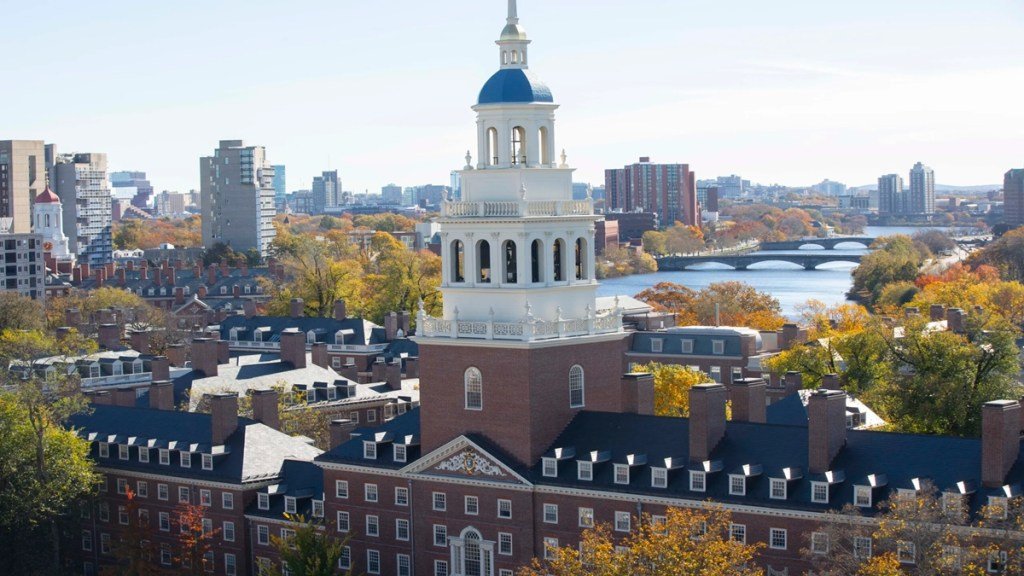
In an email sent Wednesday night to its affiliates, Harvard University confirmed it had submitted information to the Department of Homeland Security (DHS) concerning criminal activity and disciplinary records of its international students, as reported by The Harvard Crimson. However, it remains unclear whether the university provided all the information DHS requested. Meredith L. Weenick, Harvard’s Executive Vice President, stated that the university responded in accordance with legal obligations but did not elaborate on the specific documents handed over.
This action came nearly two weeks after Homeland Security Secretary Kristi Noem warned that Harvard’s authorization to host international students under the Student and Exchange Visitor Program (SEVP) could be revoked unless it provided comprehensive records, including any documentation of foreign students’ involvement in protests. The deadline set by DHS for compliance was April 30, 2025.
Weenick affirmed Harvard’s commitment to fulfilling the legal requirements of SEVP participation, emphasizing in the university’s response that it had no intention of voluntarily withdrawing from the program. She added that any termination of Harvard’s certification would be imposed by DHS, not initiated by the university itself.
Earlier, on April 16, Secretary Noem had canceled two DHS grants awarded to Harvard totaling over $2.7 million, citing the institution’s alleged failure to meet standards of accountability for public funding. This move followed President Donald J. Trump’s decision to freeze $2.2 billion in federal funding to the university and his call to reevaluate its tax-exempt status, citing ideological concerns.
Secretary Noem’s letter to Harvard demanded detailed records on any violent or unlawful conduct by foreign students and cited federal regulations that mandate universities to report on international students’ academic progress, enrollment status, and disciplinary actions when requested.
International students currently studying at Harvard under university-sponsored visas could be impacted if the SEVP certification is revoked. They may have to consider alternatives such as transferring to other institutions, adjusting their immigration status, or leaving the U.S., as outlined on the Immigration and Customs Enforcement website.
Despite the DHS demands, many members of the Harvard community—including international students and leaders within the undergraduate student government—had urged the university not to comply, arguing the requests were excessive. Legal scholars consulted by The Harvard Crimson also advised that Harvard could potentially challenge the DHS directives, although the agency was not named in a recent lawsuit the university filed against multiple federal departments over the broader funding cuts.
Would you like help summarizing the potential consequences for international students if Harvard loses SEVP certification?