
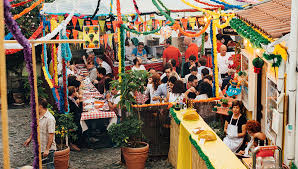
Every June, the narrow streets of Lisbon’s old neighborhoods erupt in smoke, music, and celebration as Portugal’s beloved sardine festival season reaches its peak. Locals and tourists alike gather beneath colorful streamers while the aroma of charcoal-grilled sardines drifts through the night air.
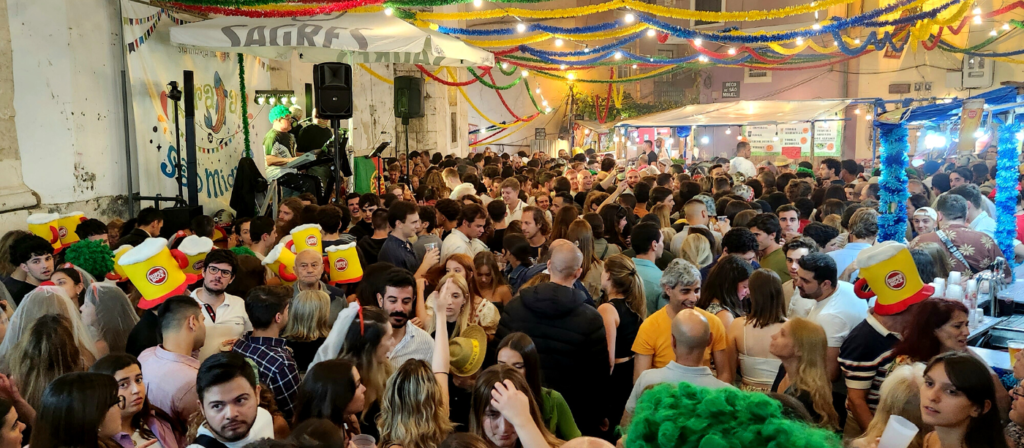
The festivities are tied closely to the Feast of Saint Anthony, Lisbon’s patron saint, celebrated on June 12 and 13. In districts such as Alfama, Mouraria, and Bairro Alto, residents transform alleyways into open-air parties with live folk music, dancing, and long communal tables crowded with bread, salad, wine, and freshly grilled sardines.
Vendors line the streets fanning rows of silver fish over glowing coals, serving them simply with olive oil and coarse salt. Despite their humble reputation, sardines have become a cultural symbol of Portugal, representing both the country’s maritime heritage and its communal spirit.
Tourism officials estimate that the festival season draws hundreds of thousands of visitors annually, providing a major boost to local restaurants, hotels, and street vendors. Organizers say this year’s celebrations are expected to be among the busiest in recent memory, fueled by strong international tourism and renewed interest in traditional cultural events.
For many Lisbon residents, however, the festival is about more than tourism. Families return to their old neighborhoods, children wave paper balloons through crowded streets, and generations gather around grills that have become part of the city’s identity.
“It’s the smell of summer,” said one festival-goer in Alfama. “When the sardines are on the grill, you know Lisbon is alive.”
Municipal authorities have increased public transport services and sanitation efforts to manage the large crowds expected throughout the month. Environmental groups have also encouraged sustainable fishing practices as sardine demand rises during festival season.
From sunset until dawn, the celebrations continue with guitars echoing through cobblestone lanes and smoke curling above tiled rooftops — a distinctly Portuguese tradition where food, music, and community come together in one of Europe’s most vibrant summer festivals.