
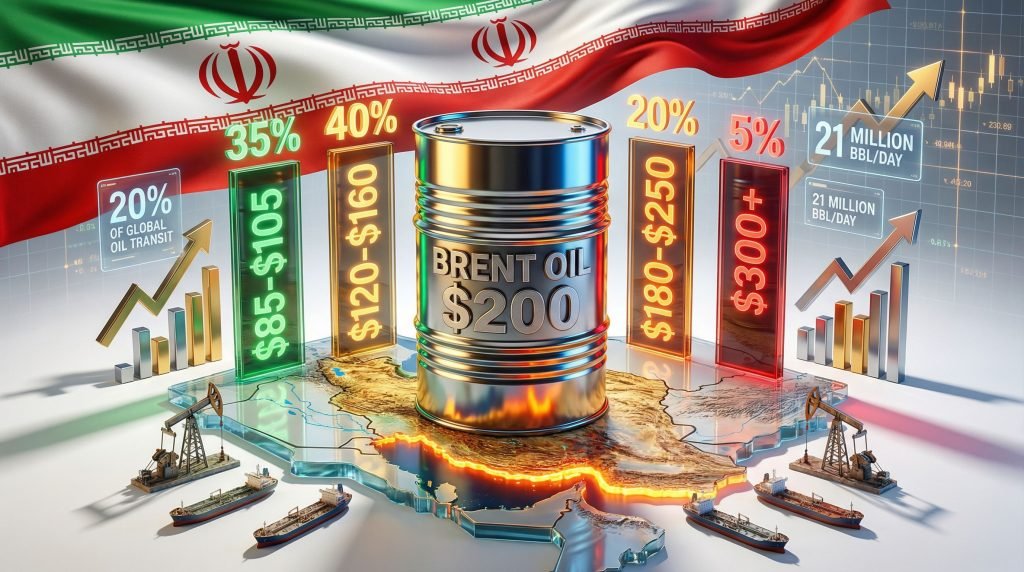
Petrol prices have climbed to their highest level since the beginning of the Iran conflict, as growing instability in the Middle East continues to shake global energy markets. The sharp increase follows renewed concerns over oil supply disruptions and rising tensions around key shipping routes used for transporting crude oil worldwide.
Oil traders have reacted strongly to fears that the conflict could further affect production and exports from major Gulf producers. As a result, crude oil prices have surged, pushing fuel costs higher across many countries.
Global Fuel Costs Rising
Drivers in several nations are now paying significantly more at the pump than they were just weeks ago. In many regions, petrol prices have risen steadily due to:
- Increased crude oil prices
- Shipping and transport disruptions
- Concerns over reduced global supply
- Market uncertainty linked to the conflict
Energy analysts warn that if tensions continue to escalate, fuel prices may rise even further during the coming months.
Pressure on Households and Businesses
The latest increase is expected to place additional pressure on households already dealing with higher living costs. Businesses that rely heavily on transport, including airlines, delivery firms and logistics companies, are also facing growing expenses.
Economists say rising fuel prices could contribute to broader inflation by increasing the cost of goods and services worldwide.
Governments Monitoring Situation
Several governments are now closely monitoring fuel markets and considering measures to reduce the impact on consumers. Some countries may look at temporary fuel tax reductions or emergency oil reserve releases if prices continue to climb.
Despite occasional drops in oil prices during periods of reduced military activity, markets remain highly sensitive to developments in the region.
Uncertain Outlook
Experts believe fuel prices will likely remain volatile while the conflict continues. Any major disruption to oil exports or shipping routes could trigger another rapid increase in global petrol costs.
For now, consumers and businesses are being warned to prepare for continued uncertainty in energy markets as geopolitical tensions remain high.