
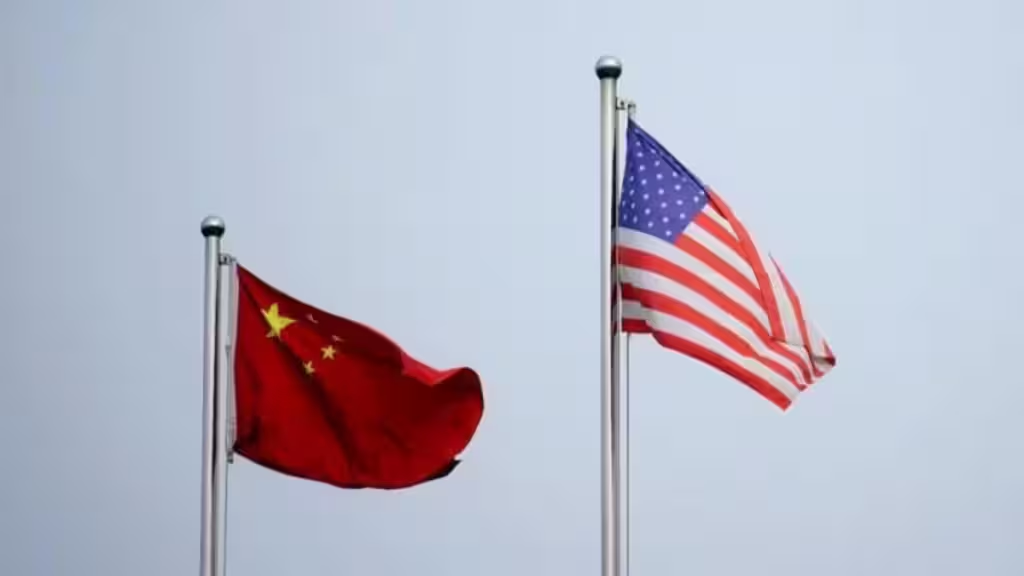
The ongoing trade conflict between the United States and China has had widespread economic repercussions, affecting tariffs, financial markets, and international relations. Initially aimed at addressing trade imbalances, the dispute has expanded into a broader economic confrontation that continues to reshape global commerce.
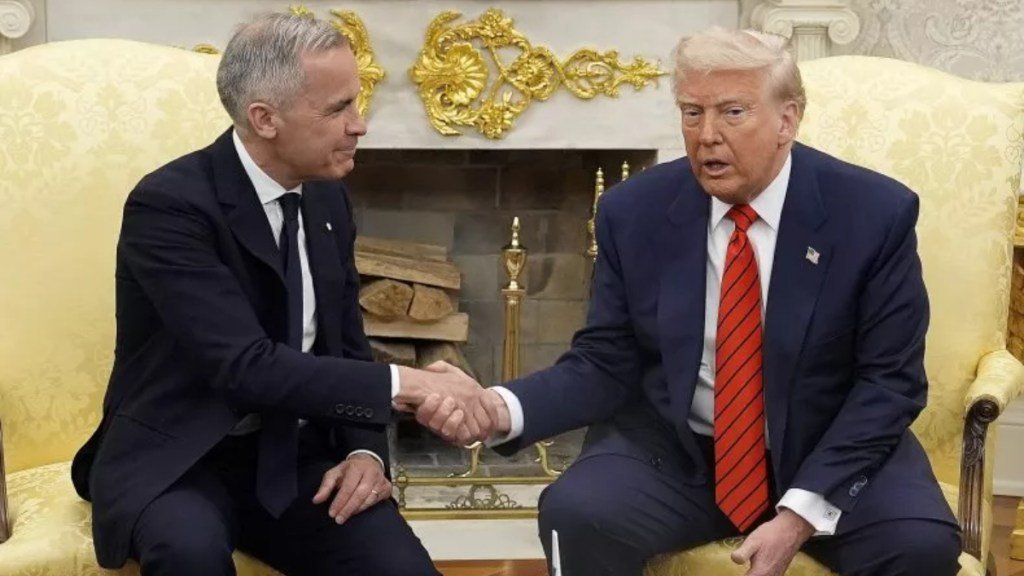
The United States, under Donald Trump’s leadership, introduced new tariffs of 10 percent on Chinese imports, prompting strong opposition from Beijing. Chinese officials have criticized the move, warning that it reflects a confrontational stance and could disrupt global trade stability. In response, China has threatened countermeasures, particularly targeting key US industries.
The tensions have extended beyond trade policies, with China accusing the US of using the ongoing opioid crisis as a political tool in the dispute. Beijing has rejected claims that it bears responsibility for the fentanyl crisis and has vowed to take action against what it perceives as unfair accusations.
Key economic factors such as tariffs, financial markets, and strategic resources have become central to the standoff. The trade conflict has had consequences for multiple industries, particularly with China implementing export controls on critical materials. In an effort to counter US policies, Beijing has imposed restrictions on the sale of vital minerals, including tungsten and other specialty metals essential for aerospace, defense, electronics, and energy sectors. These actions follow earlier restrictions on gallium, germanium, and certain types of graphite—resources vital to semiconductor, electric vehicle, and telecommunications industries.
The decision to impose tariffs on Chinese goods originally stemmed from concerns over the United States’ significant trade deficit. The Trump administration sought to address what it viewed as an uneven economic relationship, in which the US imported significantly more from China than it exported. By raising tariffs, the goal was to support domestic manufacturing and reduce reliance on Chinese imports. Additionally, US officials accused China of engaging in unfair trade practices, including intellectual property violations, forced technology transfers, and government subsidies to domestic industries. These concerns led to measures intended to pressure Beijing into adopting fairer trade policies.
Beyond tariffs, financial measures have played a role in the dispute. China, as a major holder of US Treasury bonds, has leveraged its financial assets as a strategic tool in the conflict. With holdings exceeding $759 billion as of 2024, any significant reduction in these reserves could influence US interest rates and financial stability. While China has gradually decreased its holdings, concerns remain over potential large-scale sell-offs that could disrupt global markets. Additionally, disputes over gold reserves have further strained relations, with reports suggesting the US has refused to return Chinese gold stored in its vaults, fueling tensions.
Amid these developments, other economies have navigated both opportunities and challenges. As global companies sought alternatives to Chinese suppliers, countries like India saw an increase in exports, particularly in electronics, textiles, and chemicals. Indian manufacturers experienced a surge in orders due to the shifting trade landscape, with the country’s electronics sector seeing notable growth, particularly in telecommunications. The rise of India as a manufacturing base for global technology companies has contributed to its expanding role in international trade.
However, challenges remain. While India has gained from trade diversion, its position in advanced industries such as semiconductor manufacturing remains limited compared to nations like South Korea and Taiwan. Additionally, despite growth in certain sectors, India continues to rely on Chinese components for key products like smartphones, underscoring the complexities of global supply chains.
As the trade dispute between the US and China persists, economic uncertainty continues to shape global markets. With China maintaining influence over essential commodities and the potential financial risks posed by shifts in Treasury bond holdings, the economic rivalry between the two major economies remains a significant factor in international trade dynamics.