
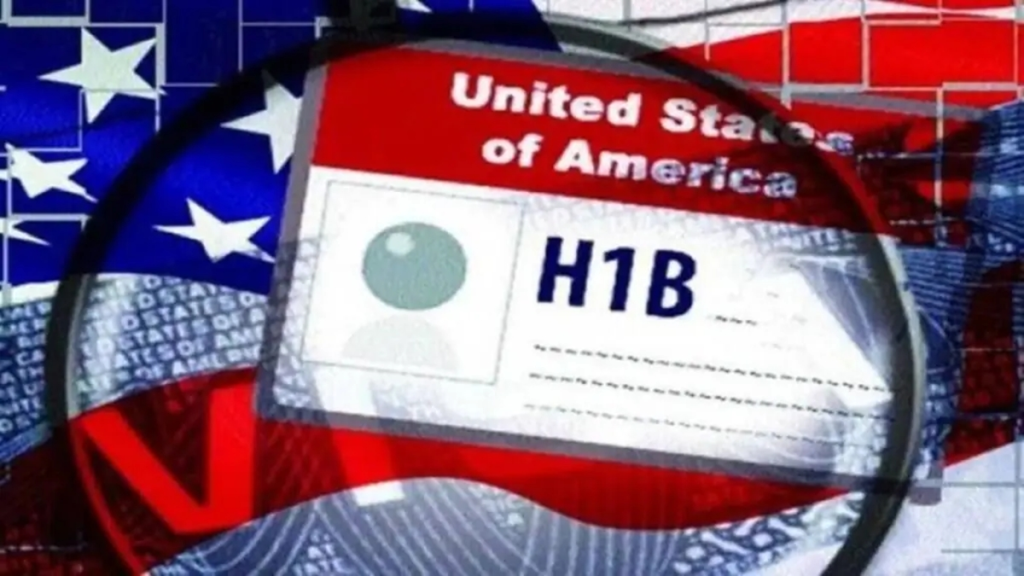
The U.S. Department of Labor is making significant changes to its records management policy by removing visa records older than five years from the Foreign Labor Application Gateway system. This decision will impact H-1B visa applicants and other visa holders as their historical case data will no longer be accessible, making it more challenging to retrieve past filings for renewals, employer verification, or legal matters.
For individuals who have previously applied for an H-1B visa, this development could create obstacles if they need proof of past applications. Employers and applicants without copies of their Labor Condition Applications (LCAs) and approvals may struggle to verify prior employment records. Legal representatives and HR professionals managing immigration documentation must now prioritize record-keeping to prevent potential difficulties in the future.
The Department of Labor’s Employment and Training Administration, along with the Office of Foreign Labor Certification, has confirmed that the deletion of records from the system began on March 20. Unlike standard updates or database maintenance, this marks a major policy shift, as such records are typically archived rather than permanently removed. The decision could particularly impact individuals applying for visa extensions, amendments, or those needing access to past filings.
The Foreign Labor Access Gateway (FLAG) serves as a platform to help American employers find skilled workers while maintaining protections for both domestic and foreign employees. It houses applications related to various visa categories, including H-1B, H-1B1, H-2A, H-2B, E-3, and Permanent Labor Certification (PERM) visas. Not all records are being deleted immediately; only those older than five years from the final determination date will be removed. Employers were advised to download these records by March 19, ensuring they have access before they are permanently deleted. The Record Control Schedule, taking effect on March 20, means that cases with a final determination date of March 21, 2020, for example, will be deleted on March 21, 2025.
For current and future H-1B visa holders, maintaining personal copies of immigration records is essential. Keeping documentation such as LCAs, I-797 approvals, and PERM certifications is crucial to avoid potential complications. Employers and attorneys should establish their own archives outside of government systems to ensure records remain accessible. Staying proactive in documentation is key, given the frequent changes in U.S. immigration policies.
The change also coincides with a shift in the H-1B registration selection process. The U.S. Citizenship and Immigration Services (USCIS) has introduced a beneficiary-centric selection system, meaning each applicant is considered only once, regardless of how many registrations have been submitted on their behalf. This aims to eliminate system manipulation and ensure equal chances of selection for all applicants. The 2026 H-1B cap registration period begins on March 7, 2025, and ends on March 24, with a registration fee of $215 per beneficiary. The selection process is set to be completed by March 24.
The H-1B visa program allows U.S. employers to hire foreign workers in specialized fields requiring a bachelor’s degree or higher. During the most recent fiscal year, 72.3% of all H-1B visas were granted to Indian professionals, and Indian students make up 28% of international workers in the U.S. Congress mandates an annual issuance of 65,000 standard H-1B visas, with an additional 20,000 visas allocated under the master’s cap for applicants with advanced degrees. These changes in records management and selection procedures reflect ongoing efforts to refine U.S. immigration processes and enhance transparency.