
Kathmandu, Nepal — May 28, 2026
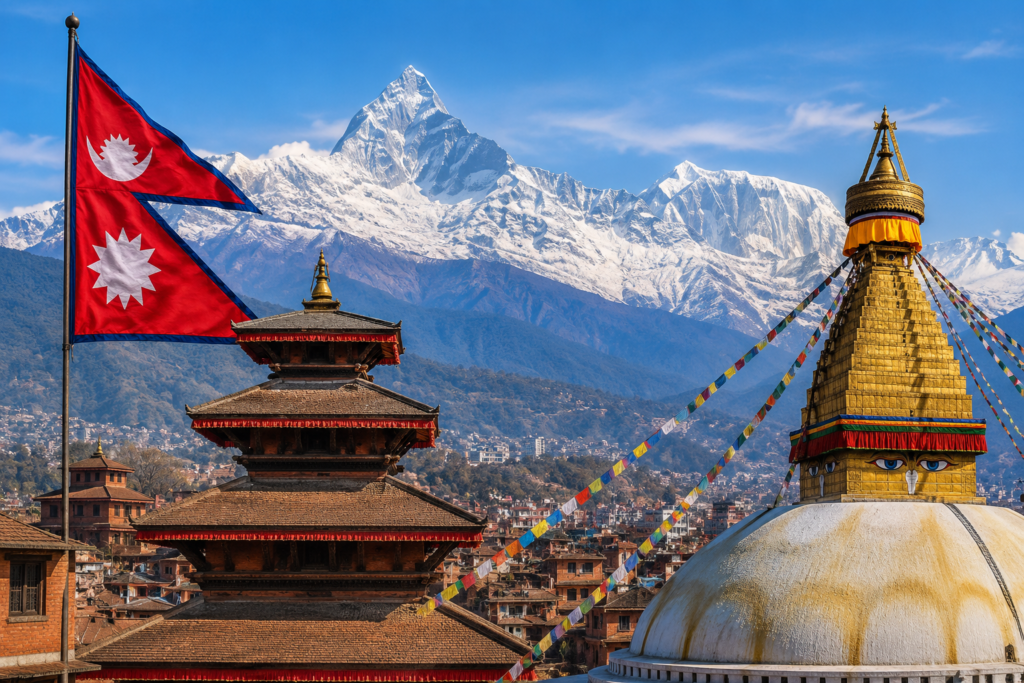
Nepal is experiencing a period of rapid change as the Himalayan nation works to strengthen its economy, protect its environment, and expand opportunities for its growing population. From the busy streets of Kathmandu to the remote mountain villages near Mount Everest, the country is balancing tradition with modernization.
Tourism continues to play a major role in Nepal’s economy. Thousands of international visitors arrive each year to explore the Himalayas, visit historic temples, and experience Nepal’s rich cultural heritage. Officials say the tourism industry has shown strong recovery in recent years, supporting hotels, trekking businesses, transportation services, and local markets.
However, climate change remains a growing concern. Rising temperatures in the Himalayan region have increased the risk of glacier melting, floods, and landslides. Environmental experts warn that these changes could affect both local communities and the tourism sector. The government has announced several initiatives focused on sustainable tourism, forest conservation, and renewable energy projects.
Nepal’s economy is also seeing gradual improvement through infrastructure development and foreign investment. New road projects, hydropower plants, and digital services are helping connect rural areas with urban centers. Remittances from Nepali workers abroad continue to provide important financial support for many families.
Despite progress, challenges remain. Youth unemployment, political instability, and limited access to quality healthcare and education continue to affect many citizens. Analysts say long-term economic growth will depend on stable governance, investment in public services, and expanded job opportunities.
Meanwhile, Nepal’s cultural identity remains a source of national pride. Festivals such as Dashain and Tihar continue to bring communities together, while ancient landmarks in Kathmandu Valley attract historians and travelers from around the world.
As Nepal moves forward, leaders face the task of balancing economic development with environmental protection. For many citizens, the hope is that the country can preserve its natural beauty and cultural heritage while building a stronger future for the next generation .