
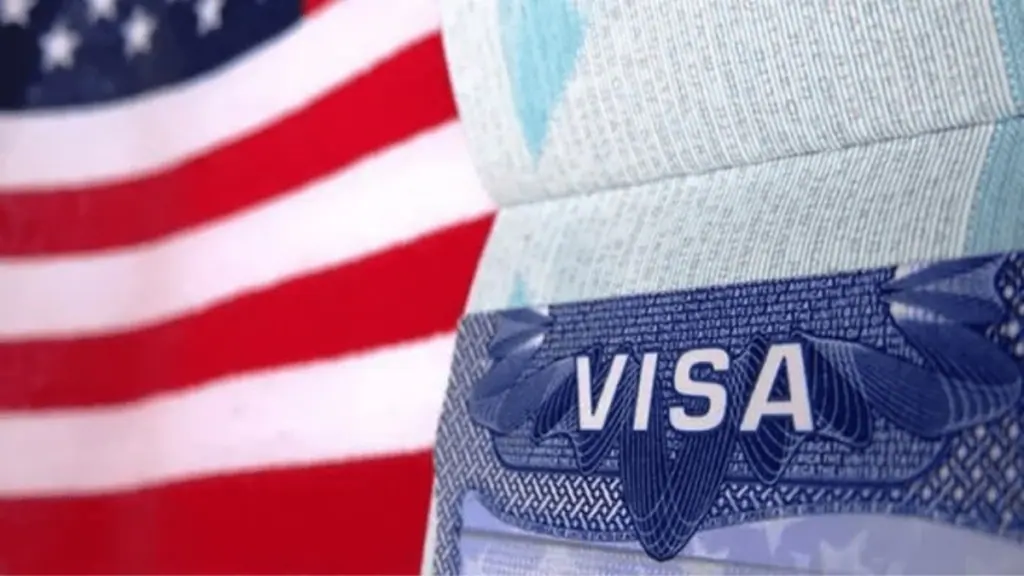
Foreign professionals aspiring to work in the United States are preparing for the 2026 H-1B visa cap season, which begins on March 7, 2025. The selection process for beneficiaries will conclude by March 24.
The initial registration period lasts at least 14 calendar days each fiscal year. Between March 7 and March 24, prospective petitioners and representatives must use the U.S. Citizenship and Immigration Services (USCIS) online system to electronically register each beneficiary and pay a registration fee of $215 per beneficiary.
For the 2026 H-1B season, USCIS has implemented a beneficiary-centric selection process to enhance fairness and prevent multiple registrations from unfairly increasing a candidate’s selection chances. Under this system, each unique beneficiary is considered only once, regardless of the number of registrations submitted on their behalf. This change has resulted in a decline in total registrations, with FY 2025 recording 470,342 eligible registrations—a 38.6% drop from FY 2024’s 758,994. The average number of registrations per beneficiary also decreased from 1.70 in FY 2024 to 1.06 in FY 2025.
The H-1B visa process for FY 2026 consists of four steps: first, petitioners or U.S. employers must register each beneficiary; second, USCIS selects registrations based on unique beneficiaries; third, selected beneficiaries receive notifications; and finally, only those selected can file H-1B cap-subject petitions. If the number of unique beneficiaries meets the required cap by March 24, USCIS will conduct a random selection process. If there are fewer unique beneficiaries than required, all properly submitted registrations will be selected. USCIS aims to notify petitioners and representatives with selected registrations by March 31.
The H-1B visa program allows U.S. employers to hire foreign workers in specialized fields requiring a bachelor’s degree or higher. Between October 2022 and September 2023, 72.3% of all H-1B visas were issued to skilled workers from India, which also accounts for 28% of international student employment in the U.S.
Each fiscal year, Congress mandates the issuance of 65,000 H-1B visas under the general cap and 20,000 additional visas under the master’s cap for those with advanced degrees from U.S. institutions.
A final rule, implemented on January 17, 2025, seeks to improve the approval process and help employers retain skilled workers. The rule extends flexibility for students on F-1 visas transitioning to H-1B status, ensuring continuity in legal status and employment authorization.
Additionally, a new initiative, the Gold Card program, aims to help companies hire and retain talented foreign students after they graduate from top U.S. universities.
A survey by Intead and job search platform F1 Hire examined where international students find employment. Washington, North Carolina, Texas, and Michigan had the highest number of H-1B applications per sponsoring firm. In 2023, firms in California, Texas, and New York accounted for 39% of all H-1B petitions for international students. When including Massachusetts, Virginia, and Michigan, these states represented half of all sponsored H-1B applications.
The impact of new policy measures on international students remains uncertain. Potential changes to the Optional Practical Training (OPT) program, which allows foreign graduates to work temporarily in the U.S., may affect student employment opportunities. Visa restrictions could also be tightened for work visas such as H-1B, family-sponsored green cards, and other preference-based immigration programs.