
A Glimpse into Malta’s Rich History: From Ancient Civilizations to Modern Times
Malta, a small archipelago in the Mediterranean Sea, boasts a history that spans thousands of years. Its strategic location has made it a crossroads of cultures, resulting in a unique blend of influences that shape its identity today. This blog explores the key periods of Malta’s history, highlighting the events and cultures that have left a lasting impact.
Prehistoric Malta: The Megalithic Era
Malta’s history dates back to around 5200 BC when the first settlers arrived, likely from Sicily. These early inhabitants built remarkable megalithic structures, including the famous temples of Ħaġar Qim and Mnajdra. These temples, some of the oldest free-standing structures in the world, are a testament to the advanced skills of these prehistoric people. The elaborate carvings and intricate designs reveal a society deeply connected to its beliefs and the natural world.
https://newtribenews.com/a-journey-through-finnish-history-from-prehistoric-times-to-modern-day/
Phoenician and Roman Influence
By the 8th century BC, the Phoenicians arrived, establishing Malta as a vital trading post. Their influence brought advancements in agriculture, trade, and craftsmanship. The Phoenicians introduced the alphabet, which would later evolve into the Latin script.
In 218 BC, Malta became part of the Roman Empire after the Second Punic War. Under Roman rule, the island flourished. Cities like Mdina and Valletta emerged, and the local economy benefited from the empire’s extensive trade networks. The Romans also left their mark in the form of impressive architectural achievements, including aqueducts and villas.
The Rise of Christianity
The arrival of Christianity in Malta can be traced back to the Apostle Paul, who is believed to have shipwrecked on the island around AD 60. This pivotal moment led to the establishment of Christianity as a significant influence on Maltese society. By the 4th century, Malta had become a Christian stronghold, with churches and communities flourishing across the islands.
The Arab Period
In the 9th century, Malta fell under Arab rule, bringing with it new agricultural practices and cultural influences. The Arabs introduced irrigation techniques, which enhanced farming productivity. The Arabic language also influenced the Maltese language, leaving a lasting legacy in the vocabulary and place names.
The Knights of St. John
In 1530, the Knights of St. John, a Catholic military order, were granted control of Malta by Charles V of Spain. Their arrival marked a transformative period in Maltese history. The knights fortified the islands against invasions, most notably during the Great Siege of 1565, when they successfully repelled an attack by the Ottoman Empire.
The knights established Valletta, named after Grand Master Jean Parisot de la Valette, as a fortified city that became the new capital. The architecture from this era, characterized by Baroque influences, can still be admired today.
The French Occupation
In 1798, Malta was briefly occupied by Napoleon Bonaparte. Although the French administration was unpopular, it brought about important changes, including the abolition of feudalism and the introduction of new legal systems. However, the French rule was short-lived, as the Maltese, supported by the British, revolted against the French in 1800.
British Rule and Independence
Following the French withdrawal, Malta became a British protectorate in 1814 and officially a colony in 1883. The British influence significantly shaped Malta’s infrastructure, economy, and education system. The island played a strategic role during World War II, enduring heavy bombing but also becoming a key naval base for Allied forces.
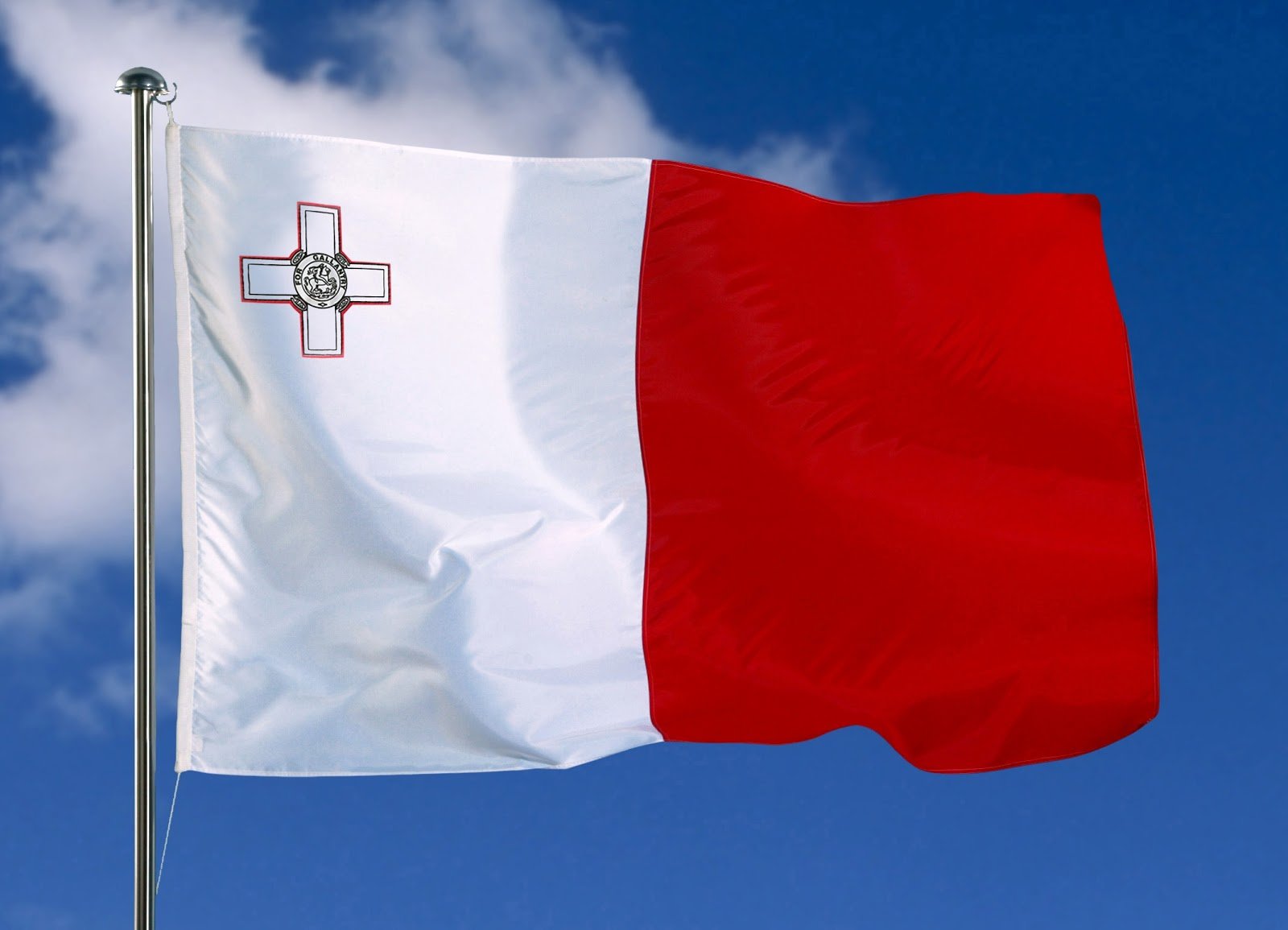
Malta gained independence from Britain on September 21, 1964, and became a republic in 1974. The newfound sovereignty marked a shift towards self-governance and cultural revitalization.
https://newtribenews.com/a-comprehensive-history-of-spain-from-ancient-times-to-modern-nationhood/
Modern Malta: A European Nation
In the years following independence, Malta focused on developing its economy and infrastructure. The country joined the European Union in 2004 and adopted the euro in 2008, further integrating into the European community.
Today, Malta is known for its rich cultural heritage, stunning architecture, and vibrant tourism industry. The islands are a UNESCO World Heritage site, attracting visitors from around the globe who come to explore its historic sites, beautiful landscapes, and warm Mediterranean climate.
Conclusion
Malta’s history is a fascinating story of resilience and transformation. From its prehistoric roots to its current status as a modern European nation, the islands have continually adapted to the influences of various cultures. The legacy of each era is visible in Malta’s architecture, language, and traditions, making it a unique and captivating destination. As Malta looks to the future, its rich past continues to shape its identity and charm.
Portugal’s Golden Visa Program Sees Growth in 2023: Family Applications Rise by 83% – New Tribe News