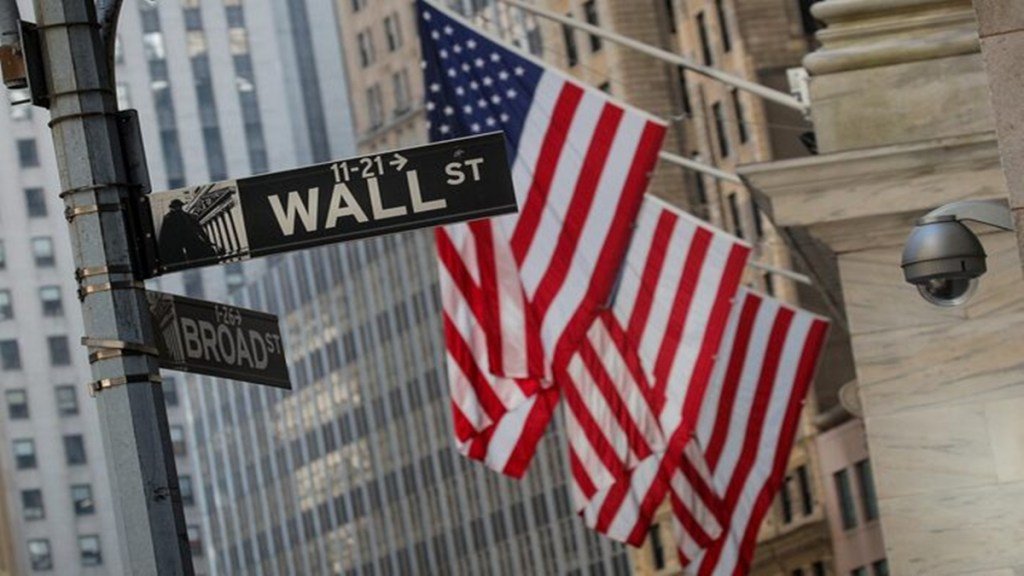

US stock futures are relatively steady on Tuesday, following a loss in major indexes the previous day, which was fueled by a selloff in technology and AI sectors.
On Monday, the S&P 500 and Nasdaq Composite fell 0.5% and 1.21%, respectively, marking their third straight day of losses. In comparison, the Dow Jones advanced by 0.08%.
Among individual equities, Palantir, a significant participant in defense AI, fell 10.5%, dropping roughly 30% since its top. Nvidia also fell 3.1% as it prepares to announce earnings on Wednesday, while Microsoft fell 1% on concerns about slowing data center spending.
Apple rose 0.6% after announcing plans to invest $500 billion in the United States over the next four years and hire 20,000 new people. Looking ahead, investors are anticipating earnings reports this week, as well as the release of the PCE index, the Federal Reserve’s favored measure of inflation.
On Tuesday, the focus will be on Tesla shares. Tesla cars are facing tough competition from rivals in the EV category. Tesla’s European and British sales fell by 45.2% in January, primarily due to increased competition from Chinese rivals and increased European manufacturers entering the sector. Tesla stock is down nearly 18% YTD and also over the last 1-month.
How US stock moves from here on depends a lot on the US Fed rate stance. “The key issue is to what extent Trump / Republican Congress policies over the coming 12 months result in higher realized inflation. The labour market is robust with an unemployment rate of only 4%, so, therefore, any pro-growth policies run the risk of CPI moving higher.
This in turn may prompt the US Federal Reserve to stall on cutting rates, or even conceivably move them higher again. This issue dominates, as the earnings backdrop for US companies is very strong, and unlikely to be of concern for markets,” says Stefan Hofer, managing director and chief investment strategist at LGT Bank (Hong Kong).
News from Japan
On Tuesday, Japan’s 10-year government bond yield fell roughly 4 basis points to 1.38%, dropping further from over 15-year highs as investors sought refuge in government bonds amid global economic and trade uncertainty.
Weaker-than-expected US economic data increased concerns about the growth prospects, while US President Donald Trump’s declaration that tariffs on Canada and Mexico will begin next week disappointed those who had hoped for a compromise to postpone them even longer.
Meanwhile, the Bank of Japan is anticipated to raise interest rates this year following unexpectedly high fourth-quarter inflation.
Investors are now looking forward to several economic releases scheduled on Friday, including statistics on industrial production, retail sales, and Tokyo inflation, which may provide more insight into the Bank of Japan’s monetary policy direction.